There are two versions of this question with two very different answers. Your own site: complete, exact and free. Someone else's site: estimated samples, also free at useful sizes.
Here is both workflows, plus what the estimates can and cannot tell you.
Your own site: the complete answer
Google Search Console's Performance report lists every query your site appeared for: keyword, impressions, clicks, position. Not a sample, the actual ledger.
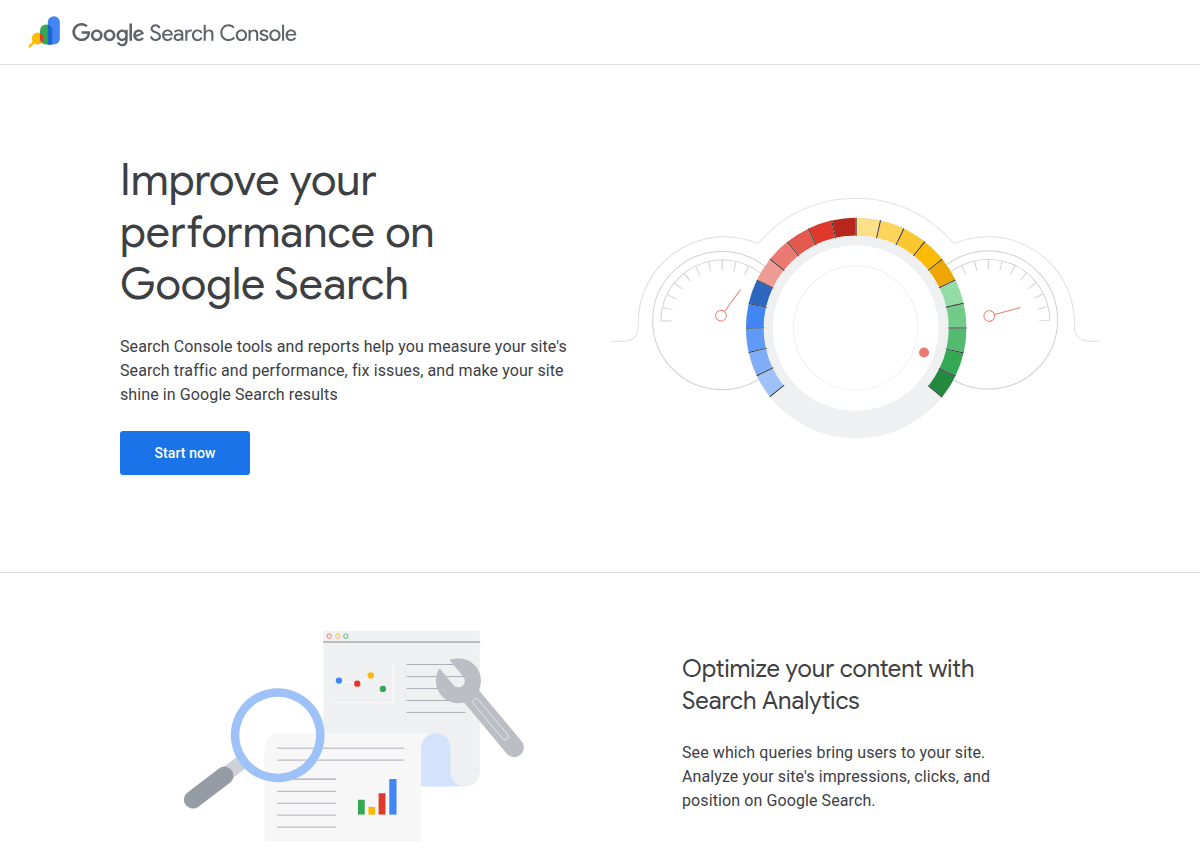
The two filters worth living in: queries at position 8 to 20 (one improvement from real traffic) and queries with impressions but no clicks (ranking, unclicked, usually a title problem).
The surprise inside: keywords you never targeted. Google matched them to your pages anyway, and each accidental ranking is a hint about what to write next.
Anyone else's site: the estimated sample
No tool can read a competitor's Search Console, so they estimate: crawl rankings for millions of keywords, note where the domain appears, model the traffic. Free tiers share slices of that index.
Semrush free is the strongest slice: roughly 10 lookups a day, each showing a domain's top organic keywords with positions and estimated traffic.
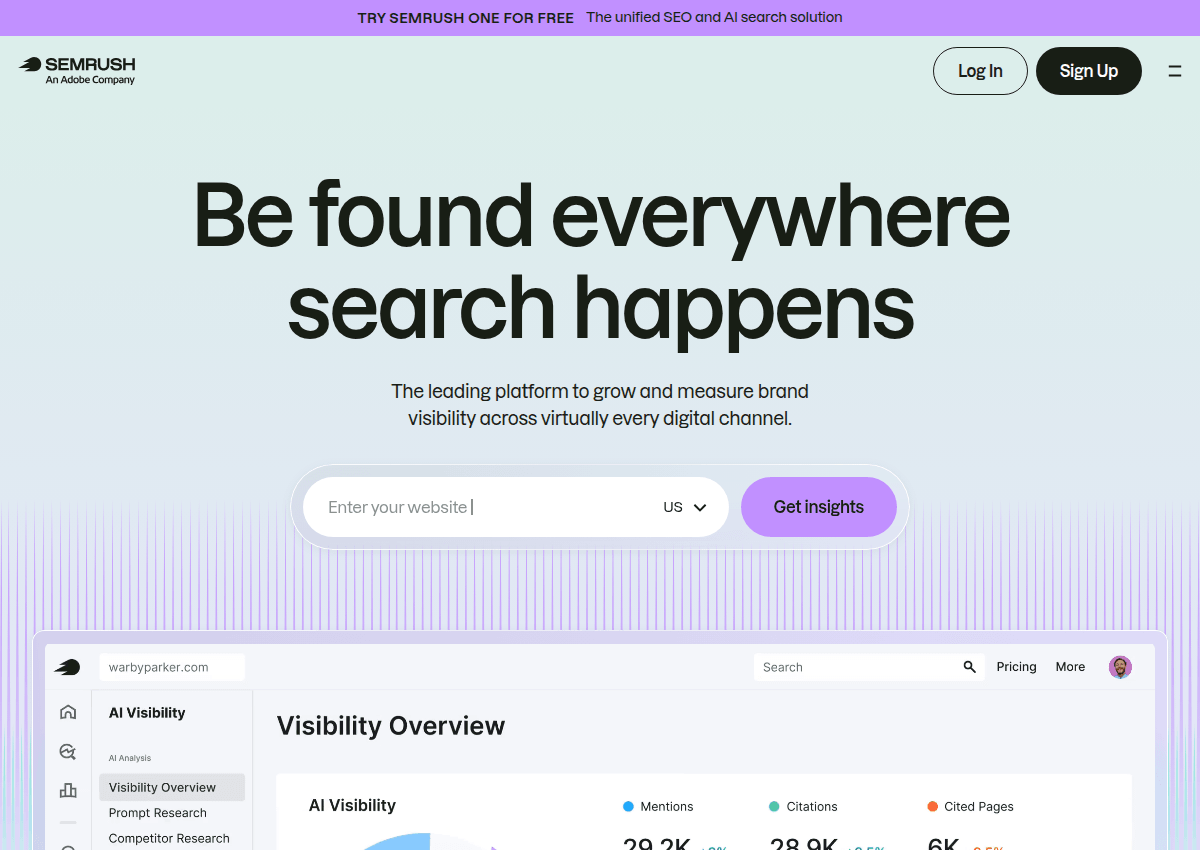
Ubersuggest adds 3 free reports a day with a friendlier layout. Its keyword sample differs from Semrush's, and the overlap between two tools is usually the trustworthy core.

Ahrefs' free tools round it out with a domain's top pages, which reveals keyword themes even where individual keywords stay hidden.
Reading estimates like a professional
| Estimates are good for | Estimates fail at |
|---|---|
| Which topics a rival wins | Their complete keyword list |
| Their biggest pages and themes | Long-tail and new keywords |
| Comparing rivals to each other | Exact traffic numbers |
| Finding gaps you could fill | Anything below their top slice |
The professional habit: same tool for every competitor, patterns over rows, and the gap list as the output. What they rank for that you do not is next quarter's content plan.
The manual spot-check
For a single keyword, skip the tools: search it and look. Add site:competitor.com before a topic to see every page they have on it, which doubles as a map of their content depth.
Manual checks also calibrate the estimates: when a tool claims a rival ranks #3 for something, one search verifies it in five seconds.
Turning the answer into action
Your own keyword list feeds optimization: push the 8-to-20 crowd, fix the unclicked titles. The rival samples feed research: their winning topics enter your keyword pipeline as seeds, and clustering turns the gaps into pages.
The one-line takeaway: Search Console gives you your own keywords completely and free. For everyone else, stack two free samples, trust the overlap, and turn their winning topics into your seed list.