Question keywords are the only keywords that tell you exactly what the page should say. "Can you heat cold brew" is a search, a title and a content brief in seven words.
Google surfaces them constantly, tools harvest them in bulk, and your inbox has been collecting them for years. Here are the five sources worth using.
Why questions punch above their volume
Questions feed the answer surfaces: featured snippets, People Also Ask, voice results and AI answers all quote pages that answer a question cleanly. Those surfaces care more about the answer than the domain, which is the small-site opening.
And intent is pre-sorted. "How", "can", "why" and "what" label themselves informational before you read another word.
Source 1: Question-word autocomplete
Type a question word before your seed and let autocomplete finish it: "can cold brew", "why does cold brew", "how long cold brew". Every completion is a real search.
At scale, run question seeds through the keyword tool on this site: seed "how cold brew" and "can cold brew" alongside your normal seeds and the question tail streams out with everything else, free.
Source 2: People Also Ask, mined properly
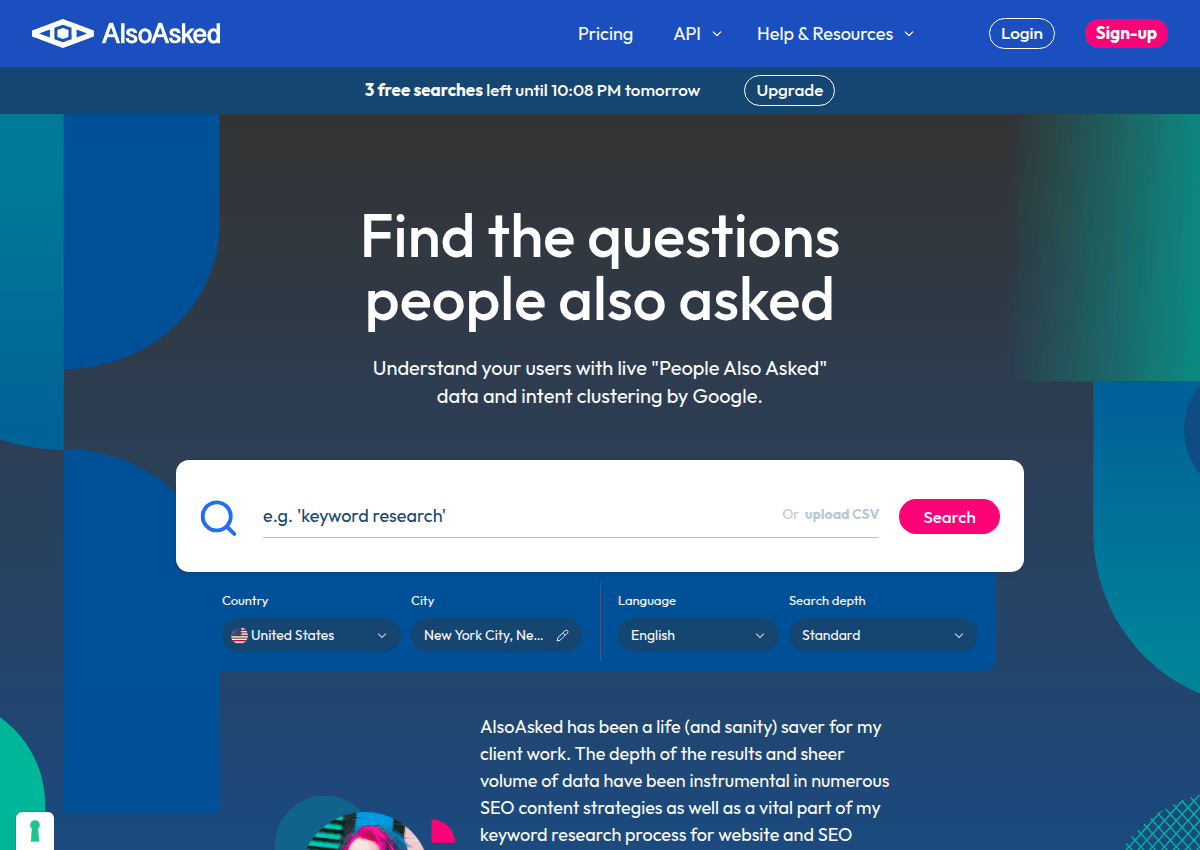
The PAA box is Google publishing its own question research. Click one question and it spawns more, four clicks deep is forty questions.
AlsoAsked automates exactly that and draws the branching tree, which doubles as your page structure: parent question as the page, child questions as the sections.
Source 3: The question wheel
AnswerThePublic crosses your seed with every question word at once and visualizes the lot. Its strength is breadth: phrasings you would never brainstorm appear instantly.
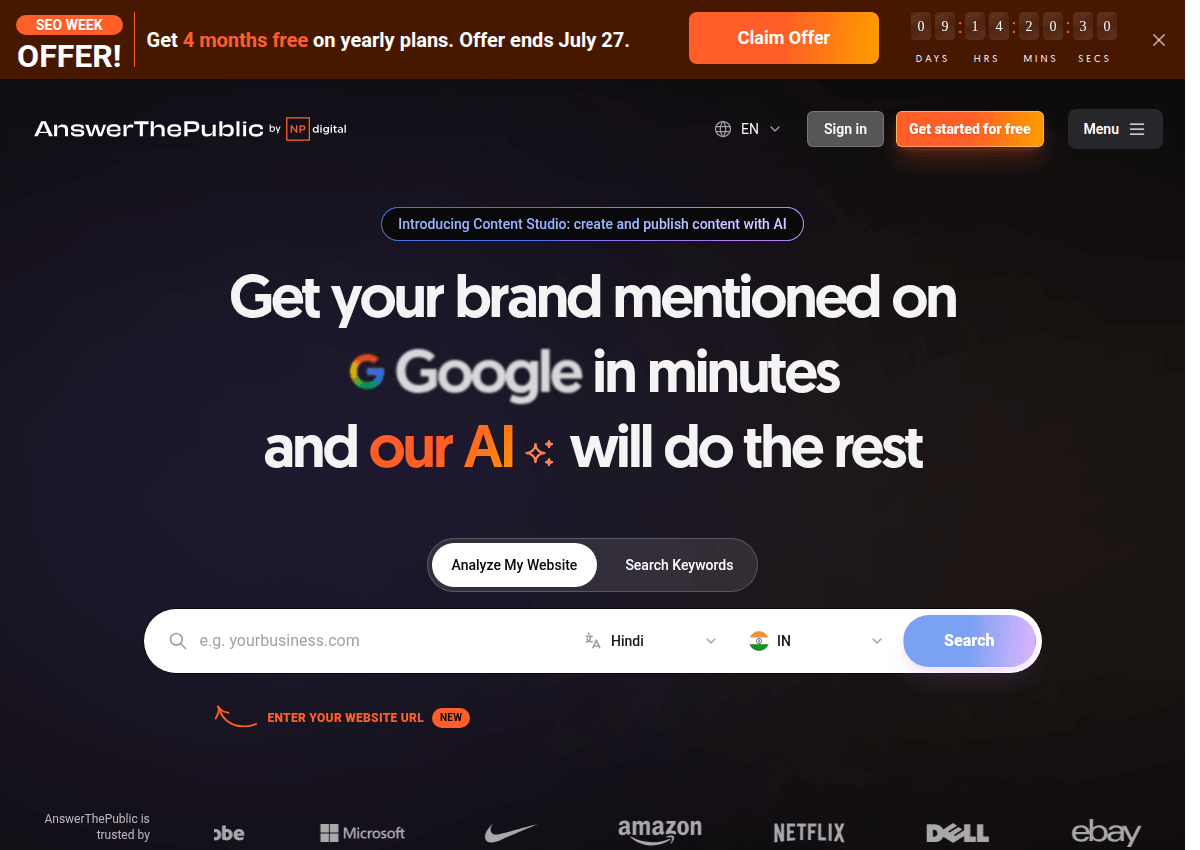
The two tools overlap less than you would think, and we compare them head to head next week.
Source 4: Forums and Reddit
Site-search Reddit for your topic and read thread titles: they are questions phrased by real people at full frustration. "Why is my cold brew sour and how do I fix it" is a page waiting to exist.
Forum questions also predict tomorrow's PAA: they appear in communities months before Google's box catches up.
Source 5: Your own inbox
Support emails, chat logs and reviews are questions from people who cared enough to type them at you. If three customers asked, searchers are asking too.
This source is exclusive: competitors cannot scrape what only you received.
From pile to plan
Answer each question in the first two sentences under its heading. That is the format snippets, PAA and AI answers all lift from, and the same front-loading our research process applies everywhere.
The one-line takeaway: questions are keywords with the brief attached. Harvest them from autocomplete, PAA, tools, forums and your inbox, group by matching results, and answer first, explain second.